
5 Dental Emergencies You Should Never Ignore
April 9, 2026When Dental Problems Become Urgent
Dental pain and injuries can develop quickly and worsen without treatment. Some minor irritation may resolve on its own, but certain warning signs warrant prompt examination. Ignoring symptoms may result in permanent tissue damage or infection spreading into deeper structures of the jaw and face.
Persistent or Severe Tooth Pain
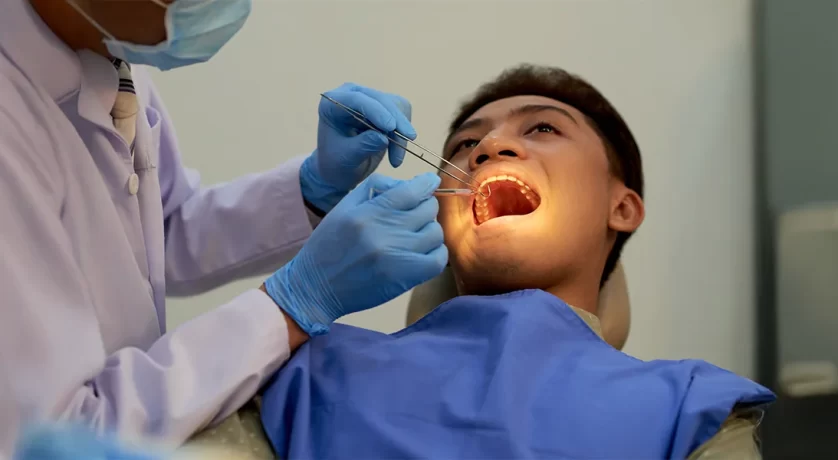
A severe toothache often signals inflammation or infection within the tooth’s inner pulp. The pulp contains nerves and blood vessels. When bacteria enter through deep decay or a crack, the pulp becomes inflamed. Because the pulp is enclosed inside the hard tooth structure, pressure builds quickly, leading to throbbing pain, temperature sensitivity, and sometimes visible swelling. Pain that lasts more than a day, interrupts sleep, or worsens with biting pressure should not be ignored. Persistent sensitivity to temperature changes may indicate damage within the tooth. When care is postponed, the infection may spread into the surrounding bone and soft tissue, making abscess formation more likely. Management depends on the extent of damage and may include eliminating infection, restoring the tooth structure, or treating the surrounding gum tissue. When the pulp is infected, a root canal procedure may be necessary to clean the inner chamber and protect the tooth from further damage. Patients who need emergency dentistry in Flower Mound, TX, should contact a provider as symptoms intensify rather than waiting for the pain to subside.A Tooth That Has Been Knocked Out
A knocked-out permanent tooth requires immediate action. The cells on the root surface begin to deteriorate once the tooth is out of the mouth. The sooner the tooth is repositioned, the greater the chance it has of reattaching successfully. If this occurs:- Hold the tooth by the top portion, avoiding contact with the root surface.
- Rinse gently with water if debris is present.
- Do not scrub, scrape, or remove attached tissue fragments.
- If the tooth appears clean and you feel comfortable doing so, gently place it back into the socket without forcing it.
- If reinsertion is not possible, store it in milk or saliva and seek care right away.
A Cracked or Broken Tooth
A cracked or fractured tooth may not always cause immediate pain, but it exposes deeper layers to bacteria, increasing the risk of infection. Cracks can develop from trauma, grinding, or biting down on hard objects. Common signs include:- Pain when chewing
- Sensitivity to temperature changes
- A visible chip or fracture line
- A rough or sharp edge that irritates the tongue
Swelling in the Gums or Face
Swelling in the gums, jaw, or face can indicate a dental abscess. An abscess forms when bacteria create a pocket of infection that produces pus. This condition can progress quickly and may spread beyond the tooth if left untreated. Warning signs include:- Facial swelling
- Fever
- Difficulty swallowing
- A persistent bad taste in the mouth
- Tenderness when touching the area
Bleeding That Does Not Stop
Bleeding after trauma, oral injury, or dental procedures should begin to slow within several minutes when firm pressure is applied. Bleeding that persists beyond 15 minutes despite steady pressure should be evaluated promptly. Place clean gauze over the area and apply firm pressure while remaining upright. Avoid vigorous rinsing, as this can disturb clot formation. Continuous bleeding may indicate deeper tissue injury or clotting concerns that require professional assessment. Prompt evaluation ensures that the source of bleeding is identified and controlled appropriately.If You Are Unsure, Call
Some serious dental conditions begin with mild or unclear symptoms. Increasing pain, swelling, trauma, or uncontrolled bleeding should always be discussed with a dental professional rather than ignored. Patients in Southlake, TX, who experience sudden symptoms should contact a provider for guidance on next steps. Early assessment allows problems to be addressed before they progress into more serious conditions. Addressing concerns quickly decreases the likelihood of persistent infection, structural damage, or tooth loss. If you are experiencing urgent symptoms, Towne View Dental Care – Flower Mound provides prompt evaluation with a focus on patient safety and long-term oral health.Frequently Asked Questions

Dr. Dhaval Patel
Dr. Dhaval Patel, general, cosmetic, and implant dentist at Towne View Dental Care in Flower Mound, TX, brings nearly a decade of clinical experience and over 1,000 successful dental implant cases. A high-honor graduate (DMD) from Boston University School of Dental Medicine, he has advanced training in implant dentistry, full-mouth rehabilitation, and smile design, with hands-on expertise in procedures including crowns, veneers, extractions, root canal treatment, and bone grafting. Recognized as one of America’s Best Dentists (2024–2025), Dr. Patel prioritizes evidence-based care, clear communication, and modern technology to ensure patient comfort and lasting results.
Schedule with Dr. Patel or learn more via his full bio. Serving Flower Mound, TX and nearby communities.
Learn more about Dr. Dhaval Patel →