
Dental Crowns in Flower Mound: Signs You May Need One
March 9, 2026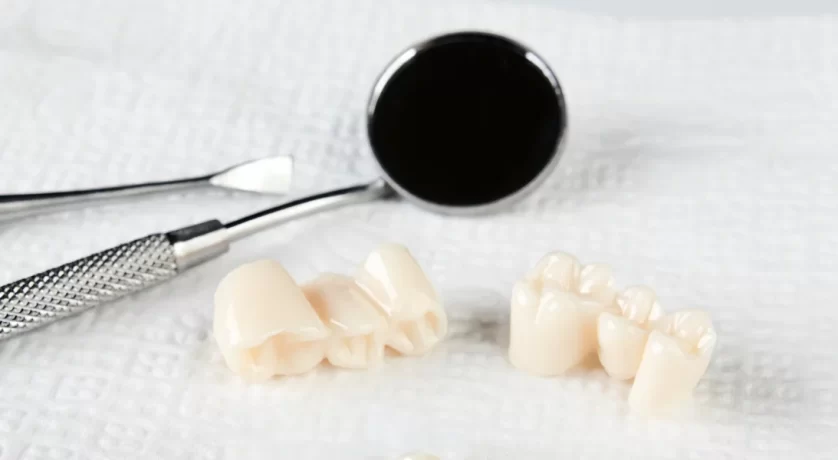
Tooth damage does not always cause immediate pain. Many adults in Flower Mound continue daily routines without noticing that a weakened tooth is gradually losing its ability to tolerate normal chewing pressure. When patients search for a dentist near me, it is often prompted by subtle changes such as sensitivity, instability, or discomfort when biting. These symptoms may suggest that the tooth no longer has enough structural support to function safely on its own. In these situations, a dentist may evaluate whether a crown is needed to stabilise the tooth and reduce the risk of further breakdown.
What Is a Dental Crown and Why Is It Used?
A dental crown is placed to reinforce a tooth when clinical assessment shows that its remaining structure is insufficient for normal function. The crown surrounds the visible portion of the tooth and helps restore strength, shape, and stability.
Dentists consider crowns when decay, fracture, or previous dental treatment has weakened the tooth. After root canal therapy, for example, a crown can help distribute chewing pressure more evenly across the tooth. As a form of tooth restoration, a crown supports the existing tooth structure rather than replacing it, with the goal of preserving function while limiting the chance of future damage.
Common Signs You May Need a Dental Crown
Some signs of structural weakness develop gradually and may not cause constant pain. Dentists may consider a crown after evaluating concerns such as:
- Discomfort or pressure when chewing
- A visible crack, chip, or fracture
- A tooth with a large or repeatedly failing filling
- Ongoing sensitivity to hot or cold temperatures
- Reduced strength following root canal treatment
These findings suggest an increased risk of fracture if the tooth continues to function without additional reinforcement.
Cosmetic Reasons You May Need a Crown
Changes in appearance can sometimes reflect underlying structural problems. Teeth that appear uneven, worn down, or significantly discoloured may also have compromised enamel or internal damage.
When assessing these concerns, a cosmetic dentist in Flower Mound will examine both the appearance and structural integrity of the tooth. If evaluation shows that the tooth lacks sufficient strength, a crown may be recommended to stabilise it while also improving its outward appearance. The clinical focus remains on protecting the tooth and maintaining long-term function.
Dental Crown vs Filling: How Do Dentists Decide?
Dentists base the choice between a filling and a crown on how much healthy tooth structure is still present. This crown vs filling evaluation centres on durability and risk reduction rather than cosmetic preference.
During assessment, dentists consider:
- The extent and depth of decay or damage
- Whether the remaining enamel can support a filling
- The location of the tooth and the amount of bite pressure it absorbs
When a filling cannot provide sufficient reinforcement, a crown may offer greater long-term stability and protection.
What Happens If You Delay Getting a Crown?
When a structurally compromised tooth is left untreated, it continues to absorb chewing forces without adequate support. Over time, this stress can worsen existing cracks or allow bacteria to reach deeper layers of the tooth.
Possible consequences of delaying treatment include:
- Progression of fractures
- Recurrent infection beneath existing restorations
- Loss of a tooth, sometimes requiring extraction
Timely evaluation allows dentists to stabilise weakened teeth before damage becomes more extensive or irreversible.
What Types of Dental Crowns Are Available?
Several crown materials are available, and selection depends on tooth location, bite forces, and functional requirements. Patients exploring dental crowns in Flower Mound practices may encounter options such as:
- Ceramic and porcelain crowns are commonly considered when restoring teeth that are visible during speech or smiling
- Zirconia crowns, chosen for their strength and durability
- Porcelain-fused-to-metal crowns are commonly used for back teeth
In some practices, dentists may assess whether same day crowns are appropriate based on the condition of the tooth and treatment planning considerations.
How Long Does a Dental Crown Last?
Dentists consider oral hygiene, bite patterns, and crown material when evaluating how long a crown may continue to function. Dentists monitor crowns during routine examinations to ensure they continue to function properly.
Clinical evaluation typically focuses on:
- Signs of wear from chewing forces
- The integrity of the crown margins
- The health of the supporting tooth structure
Ongoing monitoring allows dentists to identify changes early and address concerns before crown function is compromised.
Final Thoughts
Subtle changes in how a tooth feels or functions often reflect underlying structural concerns. Patients searching online for the best dentist in Flower Mound are often looking for clear explanations, careful evaluation, and treatment recommendations based on clinical need. Sensitivity, cracking, or instability may signal that the tooth requires additional support to withstand daily use. A dental evaluation helps determine whether a crown is appropriate and when treatment should occur. At Towne View Dental Care – Flower Mound, clinical decisions are based on careful assessment and evidence-based planning with the goal of preserving natural teeth whenever possible.