
How Dental Bridges Work: Everything You Need to Know
August 1, 2026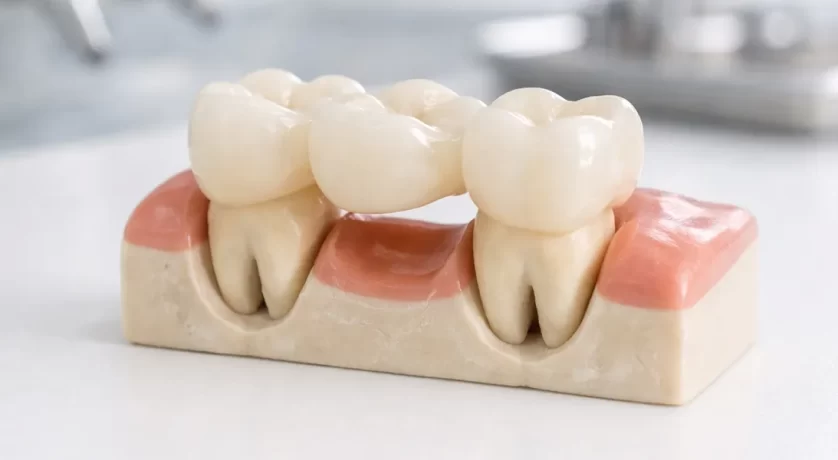
What Is a Dental Bridge?
Being a fixed dental restoration, tooth bridge can replace one or more missing teeth. The restoration closes the gap by anchoring a custom-made replacement tooth to adjacent teeth or dental implants. A dental bridge usually includes:- One or more replacement teeth (pontics)
- Supporting crowns or implants
- Durable materials like porcelain, ceramic, zirconia, or porcelain fused to metal
How Do Dental Bridges Work?
A bridge restores function by anchoring an artificial tooth securely in place. During dental bridge treatment, your dentist will evaluate the condition of your teeth and gums before discussing the most appropriate treatment. The process generally includes:- Comprehensive dental examination
- Preparation of supporting teeth, if needed
- Digital impressions or scans
- Fabrication of a custom bridge
- Final placement and bite adjustments
Types of Dental Bridges
Different situations call for different solutions. Your dentist may recommend one of the following.Traditional Dental Bridge
The replacement tooth is anchored by crowns that are placed on the natural teeth on either side of the missing space.Cantilever Bridge
This design is used when only one neighboring tooth is available for support. It is appropriate only in selected cases.Maryland Bridge
Instead of using full crowns, a Maryland bridge attaches to the back of nearby teeth with metal or porcelain wings, preserving more natural tooth structure.Implant-Supported Bridge
Unlike traditional bridges, this option is supported by dental implants rather than neighboring natural teeth. It provides excellent stability for replacing several missing teeth. The right type of bridge depends on several factors, including your oral health, the condition of your supporting teeth, and your treatment goals.Benefits of Dental Bridges
Replacing missing teeth offers more than cosmetic improvement. Some important benefits include:- Restores natural chewing ability
- Improves speech
- Prevents neighboring teeth from drifting
- Helps maintain facial shape
- Supports balanced bite function
- Enhances confidence when smiling
How Long Do Dental Bridges Last?
A well-made dental bridge can often last 10 to 15 years, and sometimes even longer with excellent care. Several factors influence longevity:- Daily oral hygiene
- Regular dental examinations
- Healthy gum condition
- Limiting habits like chewing ice, biting pens, or using your teeth to open packages.
- Overall bite forces
Caring for Your Dental Bridge
Good maintenance helps protect both your bridge and surrounding teeth. Follow these simple habits:- Brush twice each day using fluoride toothpaste.
- Floss carefully beneath the bridge using floss threaders or specialized cleaning tools.
- Limit sugary snacks and acidic beverages.
- If you grind or clench your teeth while sleeping, ask your dentist whether a custom nightguard is right for you.
- Schedule routine professional cleanings.
- Contact your dentist if the bridge feels loose or uncomfortable.
Book Your Appointment Today
If you’re considering tooth replacement, early treatment can help preserve your bite and prevent additional complications. Whether you’ve recently lost a tooth or have lived with a gap for years, discussing your options with a dental professional is the best next step. Many patients appreciate the convenience of a same-day dental bridge consultation, allowing them to receive an evaluation and personalized treatment recommendations without unnecessary delays. At Towne View Dental Care – Flower Mound, our team provides personalized restorative care designed to improve comfort, function, and confidence. If you’ve been looking for “dental bridges near me”, we’ll answer your questions, discuss your treatment choices, and help you decide what works best for your smile.Final Thoughts
Replacing missing teeth isn’t only about improving your smile—it’s also about protecting your long-term oral health and everyday comfort. Understanding how dental bridges in Flower Mound, TX, work empowers you to make informed decisions about restoring your smile. Taking good care of your bridge and keeping up with regular dental visits can help it stay strong, functional, and attractive for years to come.Frequently Asked Questions

Dr. Dhaval Patel
Dr. Dhaval Patel, general, cosmetic, and implant dentist at Towne View Dental Care in Flower Mound, TX, brings nearly a decade of clinical experience and over 1,000 successful dental implant cases. A high-honor graduate (DMD) from Boston University School of Dental Medicine, he has advanced training in implant dentistry, full-mouth rehabilitation, and smile design, with hands-on expertise in procedures including crowns, veneers, extractions, root canal treatment, and bone grafting. Recognized as one of America’s Best Dentists (2024–2025), Dr. Patel prioritizes evidence-based care, clear communication, and modern technology to ensure patient comfort and lasting results.
Schedule with Dr. Patel or learn more via his full bio. Serving Flower Mound, TX and nearby communities.
Learn more about Dr. Dhaval Patel →