
What to Expect After Dental Implants
May 1, 2026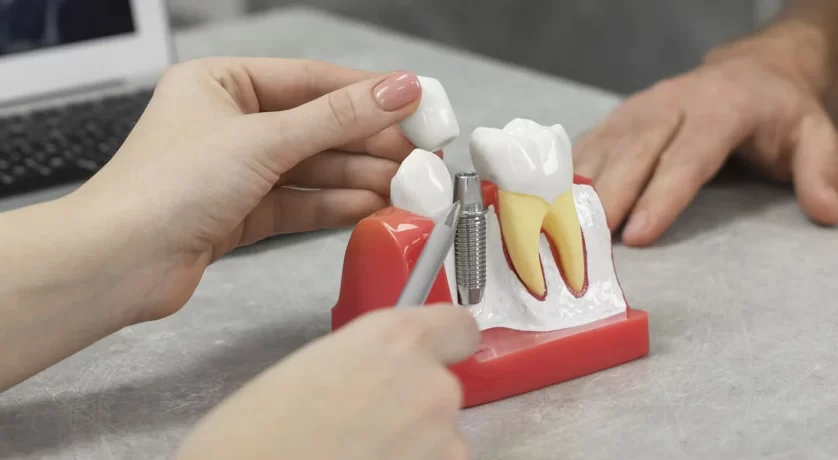
Many adults want to know how much soreness is normal, when regular meals can resume, and what kind of care the implant site needs at home. Patients from Lewisville, Highland Village, and Southlake often ask these same questions before treatment begins. A clear understanding of the process can help you feel more prepared and support a smoother recovery.
Immediate After-Effects of the Procedure
Right after implant placement, it is normal to have some tenderness around the gums and jaw. Mild bleeding may happen during the first several hours, and some swelling or bruising can appear near the cheek or lip. These effects are common after oral surgery and usually improve within a few days. Discomfort tends to be most noticeable during the first 24 to 72 hours. A cold compress, rest, and the medications recommended by your dentist can help during this period. Smoking, strenuous activity, and forceful rinsing are usually discouraged early on because they can interfere with clot formation and delay healing. During this early stage, it is also important to avoid disturbing the implant site. Try not to touch the area with your tongue or fingers. Small habits such as eating carefully, resting well, and following written instructions can make the first stage of healing easier.
The Healing Process (Osseointegration)
A large part of implant healing happens below the gumline. This process is called osseointegration, which means the implant gradually bonds with the jawbone and becomes secure enough to support the final restoration. While the gums may start to feel better fairly soon, deeper healing takes more time. Recovery after dental implants often continues for several weeks to a few months, depending on bone support, gum health, and the overall treatment plan. During that time, the body is building stability around the implant.
Most people do not feel osseointegration happening, but it is one of the most important parts of the process. A secure implant gives the final crown, bridge, or denture the support needed to feel more natural in daily use. Healing may take longer if there are issues such as smoking, untreated gum disease, or other health factors, which is why a full review of your oral and medical history matters before treatment. In cases involving full arch dental implants in Flower Mound, TX, the healing timeline and aftercare instructions may differ somewhat from those of a single implant. Even so, the same principle applies: the bone must integrate with the implant to support long-term function.
Eating and Diet After Implants
Diet plays a major role in the first stage of recovery. The goal is to avoid pressure and irritation around the surgical site while the tissue begins to heal. Soft foods are usually the safest choice for the first several days.
Recommended Soft Foods:
- Yogurt
- Applesauce
- Oatmeal
- Scrambled eggs
- Mashed potatoes
- Smoothies
- Soft pasta
- Soups (not too hot)
As the mouth becomes less tender, foods with more texture can usually be added back slowly. The timeline depends on how many implants were placed and whether another procedure was done during the same visit. Hard, sticky, crunchy, or chewy foods should be avoided at first. These foods can put extra pressure on the area and make it more uncomfortable. Chewing on the opposite side may also help during early recovery. Healing after full arch dental implants may involve a more gradual return to regular foods, especially while the bite and tissues are still adjusting. Once healing is complete, many patients find that implants feel more stable during meals than other tooth replacement options. That added stability often makes everyday eating feel more comfortable.
Oral Care and Hygiene
Keeping the area clean after surgery is essential, but it should be done gently at first. Bacteria around the implant site can affect healing, so home care remains important from the beginning.
Basic Care Tips:
- Use a soft toothbrush
- Brush gently around the implant site
- Follow any rinse instructions from your dentist
- Avoid aggressive spitting or swishing early on
As tenderness improves, your home routine can gradually return to normal based on the instructions you receive. Dental implants cannot get cavities, but they still require daily maintenance. The gums and bone around them must remain healthy to support long-term success. Clear aftercare guidance from a family dentist in Flower Mound can help make brushing, cleaning between teeth, and follow-up care easier to manage during recovery and beyond.
Follow-Up Appointments
Follow-up visits are an important part of implant treatment. They help confirm that healing is progressing properly and allow your dentist to check the condition of the gums and surrounding bone.
During these appointments, your dental team may:
- Review your symptoms
- Examine the surgical site
- Take images if needed
Even when soreness begins to fade, deeper healing may still be underway. That is why these visits remain important, even if recovery seems to be going well. With dental implants Flower Mound, TX, the healing period does not end the moment the mouth feels better. Follow-up care helps guide the next phase of treatment and supports the long-term stability of the implant.
Long-Term Expectations
Dental implants offer long-lasting support, though daily care and routine visits remain important. Once healing is complete, they should feel stable and function comfortably for chewing and speaking. Many adults also appreciate the natural appearance they can provide.
Long-term success depends on:
- Healthy gums
- Strong home care habits
- Routine dental visits
Smoking, teeth grinding, and untreated gum disease can affect implant health over time. In some cases, a night guard may be recommended if clenching or grinding places too much pressure on the restoration. Healing timelines also vary from person to person. Some cases move faster, while others need more time based on bone condition, gum health, or the number of teeth being replaced. General advice from a dentist near me may sound helpful, but implant maintenance should always follow the guidance for your own treatment and oral health needs.
Book Your Dental Implant Consultation Today
A consultation is the best place to discuss bone support, oral health, treatment goals, and the expected healing timeline in detail. Ongoing support from a family dentist also helps patients understand what changes to expect with diet, hygiene, and follow-up care after implant placement. Towne View Dental Care – Flower Mound provides implant treatment with a patient-centered approach, clear communication, and careful follow-up so each stage of care feels informed and well supported. Schedule your dental implant consultation in Flower Mound, TX, today and take the next step toward a healthier, more confident smile.
FAQs
How long does it take to heal after getting a dental implant?
Early healing often takes a few days to two weeks, while the deeper bonding process between the implant and the bone can take several months.
Is swelling normal after dental implant surgery?
Yes. Mild swelling, tenderness, and minor bleeding are common after the procedure and usually improve within a few days.
When can I eat regular food again?
Most people begin with soft foods and return to a regular diet gradually as healing improves. The exact timing depends on the treatment plan.
How do I clean around a dental implant?
Use a soft toothbrush and follow your dentist’s instructions for gentle cleaning during early recovery. Daily brushing and cleaning between teeth remain important long-term.
Are dental implants meant to last a long time?
Yes. With healthy gums, good oral hygiene, and regular dental visits, dental implants can function well for many years.

Dr. Dhaval Patel
Dr. Dhaval Patel, general, cosmetic, and implant dentist at Towne View Dental Care in Flower Mound, TX, brings nearly a decade of clinical experience and over 1,000 successful dental implant cases. A high-honor graduate (DMD) from Boston University School of Dental Medicine, he has advanced training in implant dentistry, full-mouth rehabilitation, and smile design, with hands-on expertise in procedures including crowns, veneers, extractions, root canal treatment, and bone grafting. Recognized as one of America’s Best Dentists (2024–2025), Dr. Patel prioritizes evidence-based care, clear communication, and modern technology to ensure patient comfort and lasting results.
Schedule with Dr. Patel or learn more via his full bio. Serving Flower Mound, TX and nearby communities.
Learn more about Dr. Dhaval Patel →